
Case studies
Six projects, explained in detail.
For each one: the problem the client had, what we built, and how it turned out. For the full list of projects, see the portfolio.
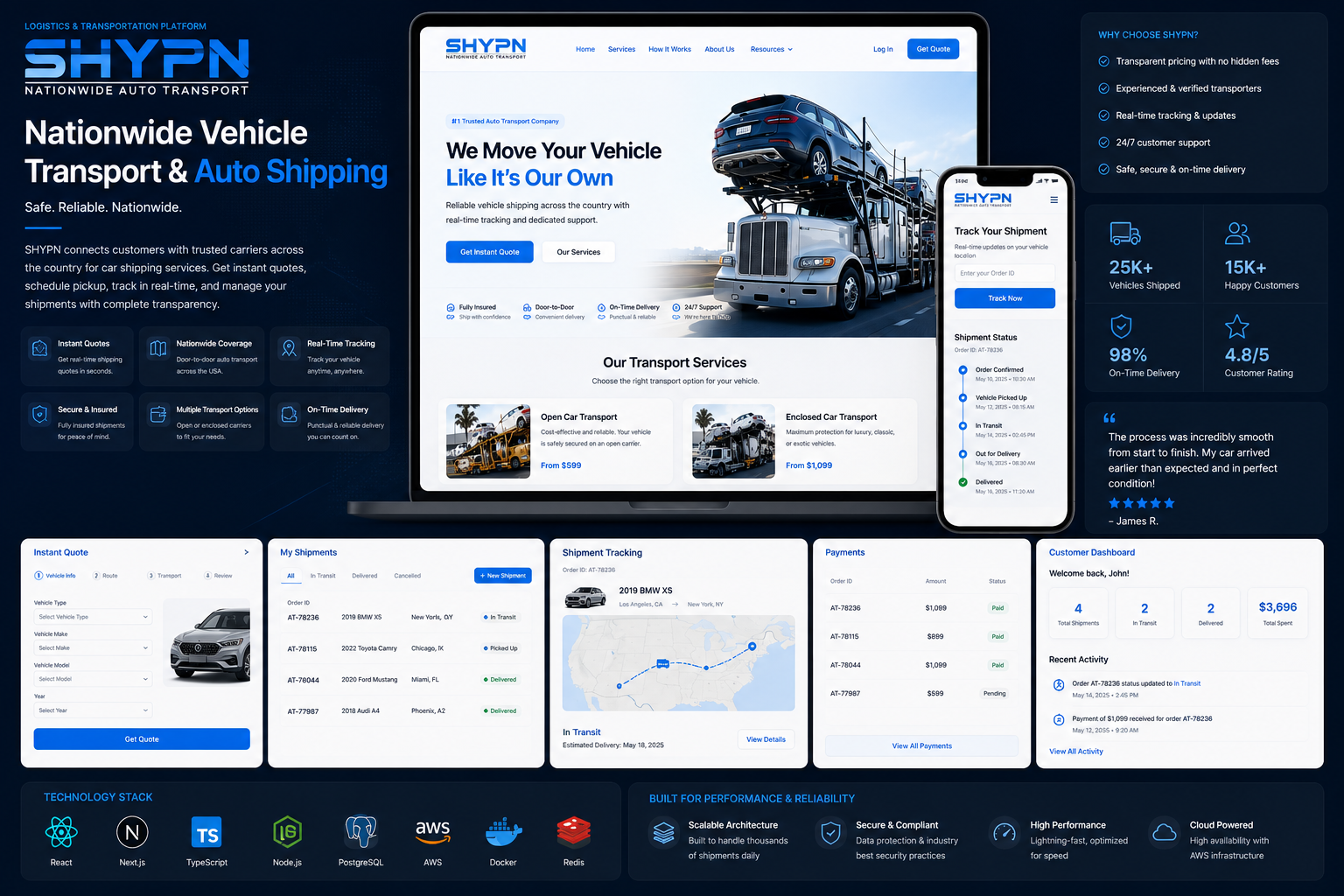
Shypn
Vehicle transport booking and dispatch platform
A booking, dispatch, and tracking system for a US company that ships vehicles across the country.
Status
No longer online
Role
Engineering partner
Location
USA
The problem
Shypn arranged vehicle shipments by email, phone, and spreadsheets. The company wanted customers to be able to book online, and wanted its dispatchers to see every shipment in one place.
What we built
We built three connected parts. Customers get a booking flow with an instant quote and card payment through Stripe. Dispatchers get a dashboard where they assign loads on a map. Drivers get an app to confirm pickup and delivery with photos. All three run on one Node.js and MongoDB backend hosted on AWS.
Result
Shypn ran its bookings, dispatch, and tracking on this platform. Customers could book and pay online without calling.
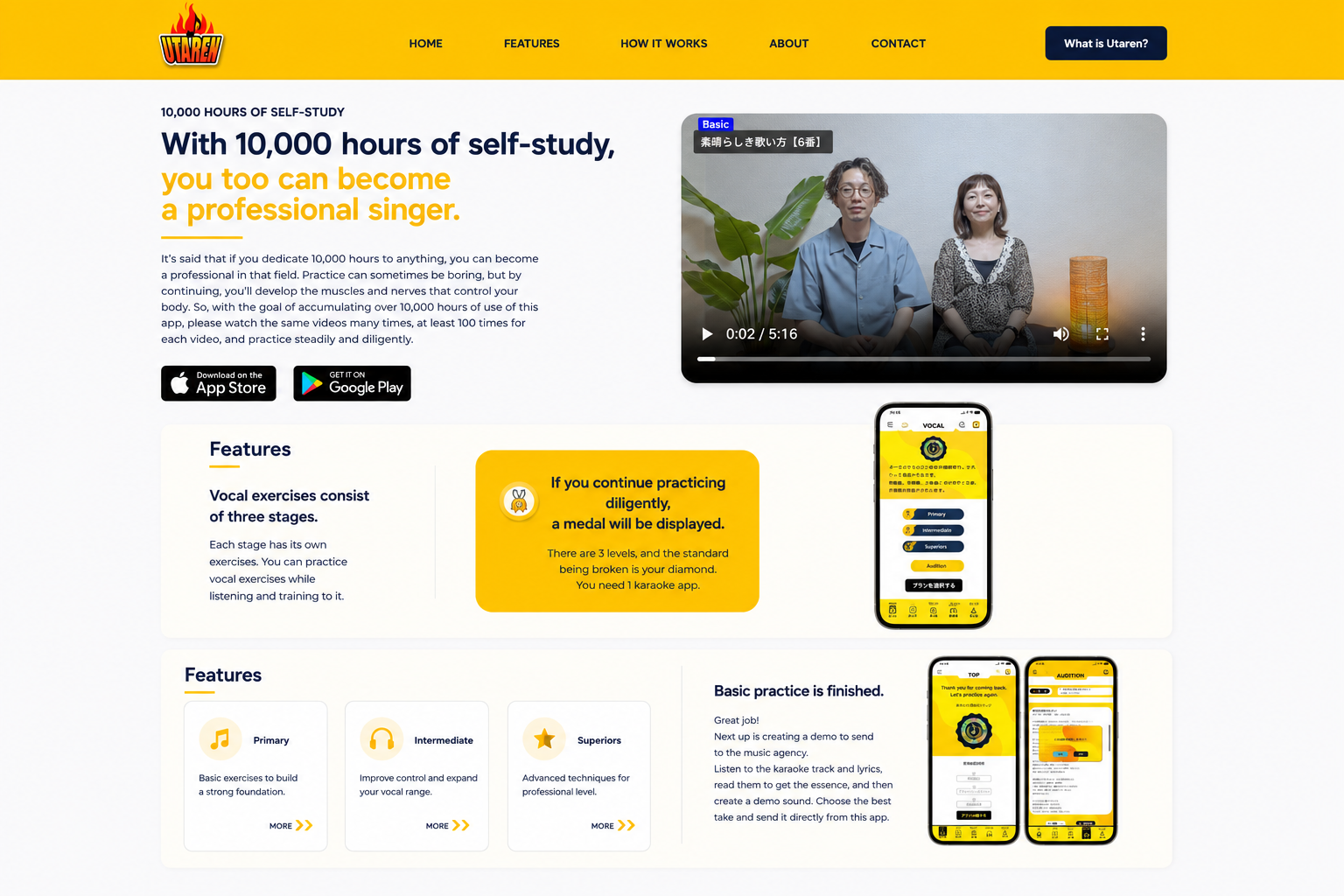
Utaren
Vocal training app
An iOS and Android app that listens to a singer and gives feedback on pitch and tone as they practise.
Status
Released
Role
Product engineering
Location
USA
The problem
Singing lessons are expensive, and a student only gets feedback during the lesson. Utaren wanted an app that gives feedback at any time and chooses the next exercise based on how the student is doing.
What we built
We built the app in React Native so one codebase serves iOS and Android. An audio pipeline using WebAudio and TensorFlow scores pitch and tone while the student sings. Lessons get harder or easier based on those scores, and progress is saved to Firebase.
Result
Utaren released the app on both app stores. Students see feedback on each note, and their progress carries over between sessions.
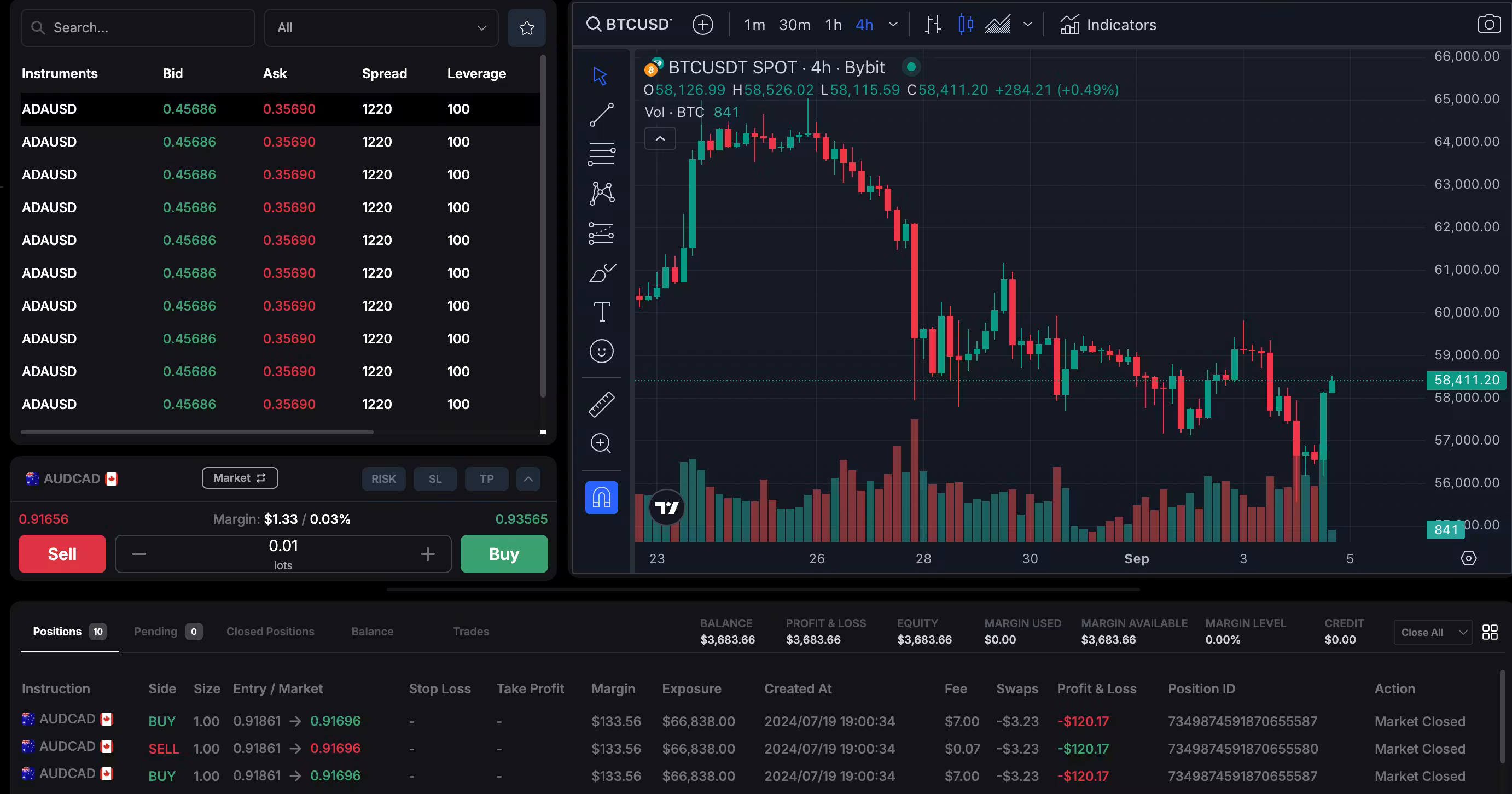
TradeLocker
Web trading platform
A web trading client with live market data, order entry, and position tracking.
Status
No longer online
Role
Architecture & engineering
Location
USA
The problem
A trading screen has to show a large number of price updates every second without freezing, and orders have to go through reliably. The platform also had to connect to more than one broker.
What we built
We designed a streaming layer over WebSocket and a React front end built to handle frequent updates. A Node.js middleware sits between the client and the brokers, so the client talks to one interface whichever broker is behind it.
Result
The client streamed market data, accepted orders, and tracked positions across several broker connections.
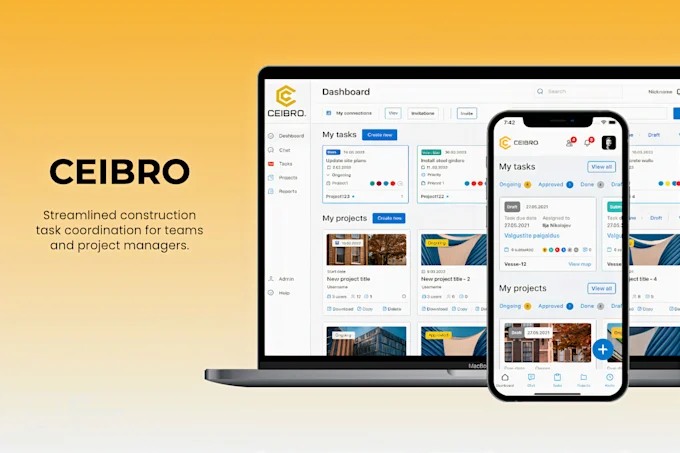
Ceibro
Construction collaboration platform
A web and mobile product that lets construction teams assign and resolve tasks directly on project drawings.
The problem
Construction teams share drawings, task lists, and site updates across email, WhatsApp, and paper. Ceibro wanted one product where a site manager pins a task to a point on a drawing and the crew resolves it with photos and comments, including on sites with poor signal.
What we built
We delivered a web app for planners and a React Native app for crews on site. It covers drawing markup, task assignment, and live messaging over Socket.IO. The mobile app keeps working offline and syncs when the connection returns. Subscriptions are billed through Stripe.
Result
Ceibro runs site coordination in one product. Crews mark up drawings on their phones, and planners see task status as it changes.
MyHealthily
Small-business health benefits platform
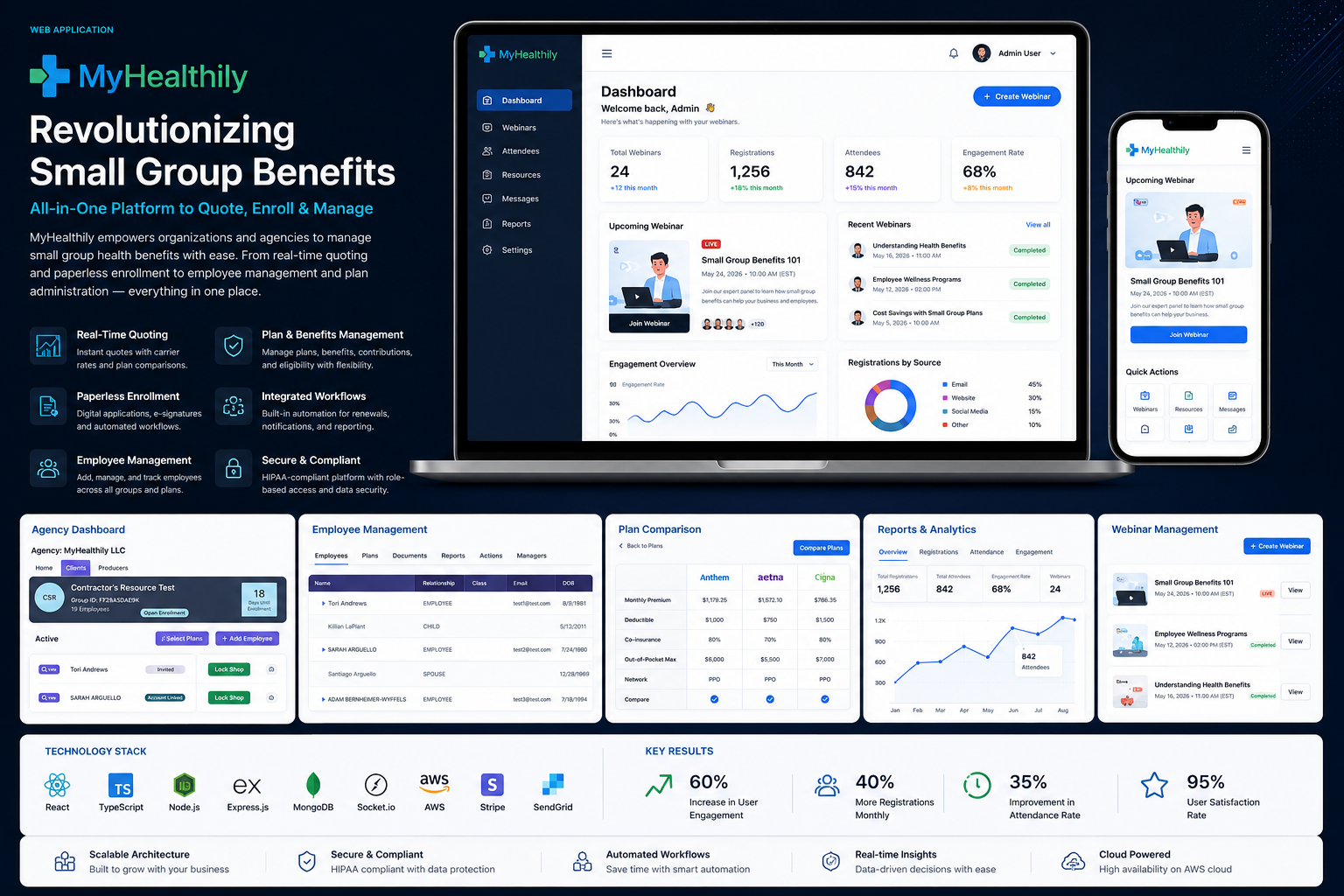
A platform where insurance brokers and small businesses get quotes, compare health plans, and enrol employees.
The problem
Small businesses buying group health cover had to deal with separate quoting systems and plan documents that are hard to compare. MyHealthily wanted quoting, comparison, and enrolment to happen in one place.
What we built
We built the quoting engine, the plan comparison screens, and the enrolment flow. The front end uses React, Redux, and Material UI, on a Node.js and MongoDB backend. Plans are shown side by side so their benefits can be compared line by line.
Result
MyHealthily offers quoting, plan comparison, and enrolment as one continuous flow, with separate views for brokers and employers.
PV-GlareCheck
Solar panel glare analysis tool
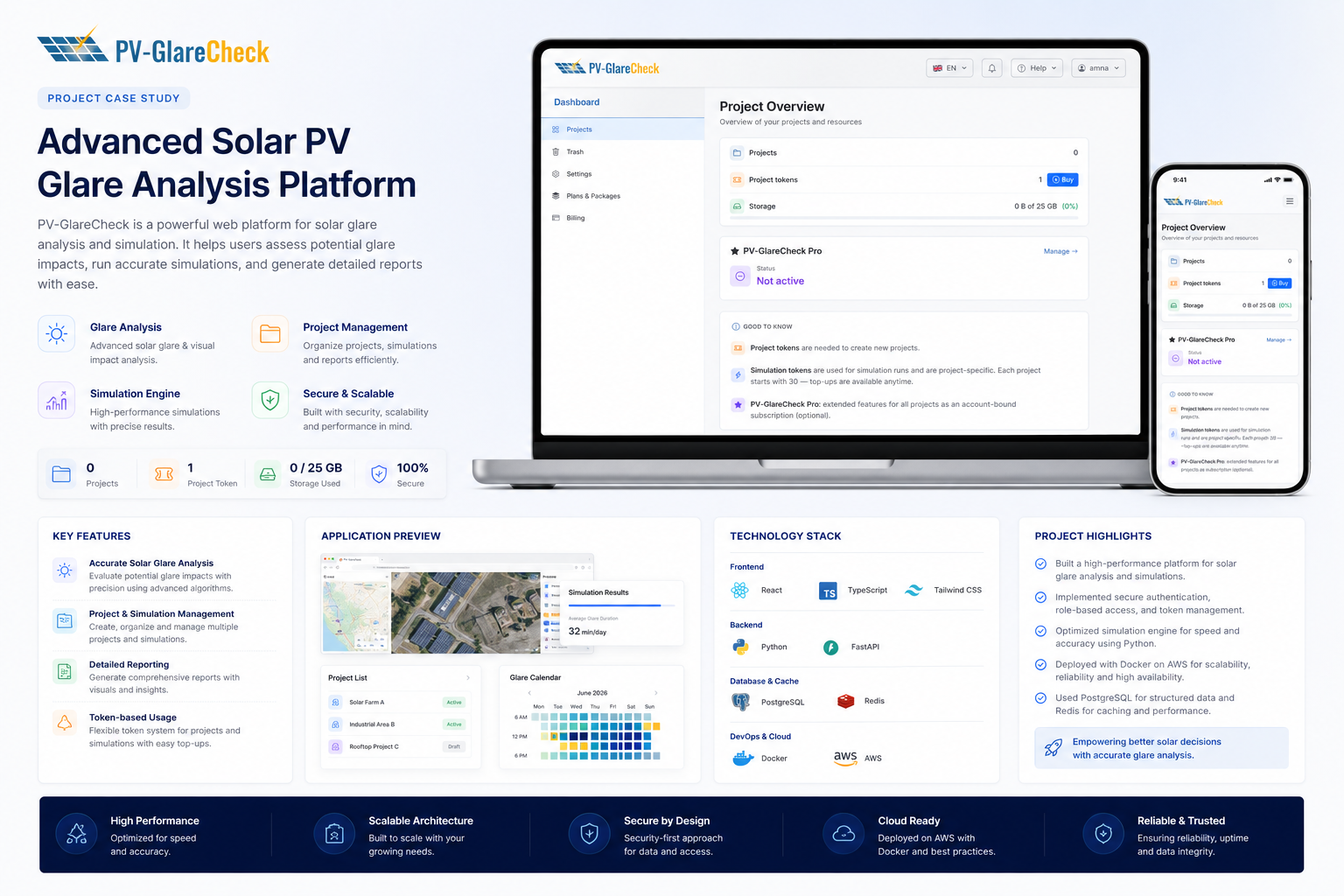
A browser-based tool that simulates whether a planned solar installation will reflect glare onto nearby roads and buildings.
The problem
Before installing solar panels, planners often have to show that the panels will not reflect dazzling sunlight onto roads, airports, or homes. Working this out by hand means combining 3D geometry with the sun's position through the year for every project.
What we built
We built a web app where the user places the panels on a Google Maps view of the site. The app models the sun's path across the year and calculates where reflections land. The heavy calculations run in a Python service, and Stripe handles subscriptions and per-report payments.
Result
Users run a glare simulation in the browser and receive a glare report for their site.
Let's talk
Have a project in mind?
Tell us what you're building. We'll come back within 48 hours with scope, timeline, and a fixed-price or T&M estimate — no obligation.
What happens next
Discovery call
A 30-minute walk-through of what you're building and the constraints around it.
Written proposal
Scope, milestones, timeline, and a fixed-price or T&M estimate in your inbox within 48 hours.
Kickoff
Sign, deposit, and the same team who scoped it starts shipping.